Why a hosted simulator out-engages a roving act every time
Roving entertainment is a staple of corporate events for one reason: it fills space without requiring a dedicated zone or a structured format.
A magician who moves through the crowd. A caricaturist who works table to table. A roving comedian or interactive performer. They show up, they work the room, guests watch for a few minutes and move on. It's low-friction.
It's also low-engagement.
This isn't a knock on roving performers. They're doing exactly what the format requires: providing brief, passive entertainment to guests who aren't seeking it out. The issue is that brief and passive are poor substitutes for the kind of engagement corporate events actually need to be remembered.
What makes corporate entertainment worth the spend
Event managers get asked to justify entertainment spend. The question from the MD or the CFO is predictable: "Was it worth it?" The answers that land are not "people seemed to enjoy it" — they're "people stayed longer," "guests kept coming back," "it was all anyone talked about in the Slack channel the next day."
That framing changes how you evaluate entertainment options.
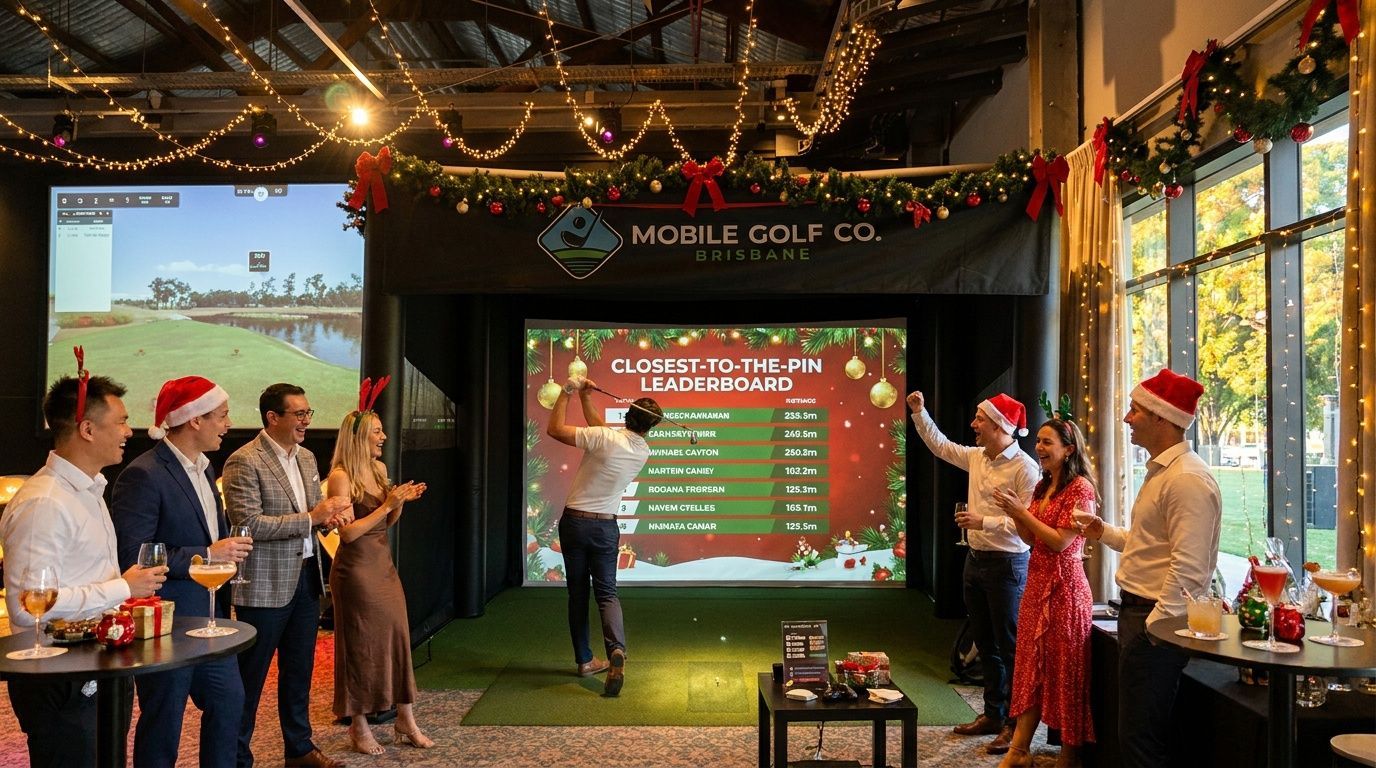
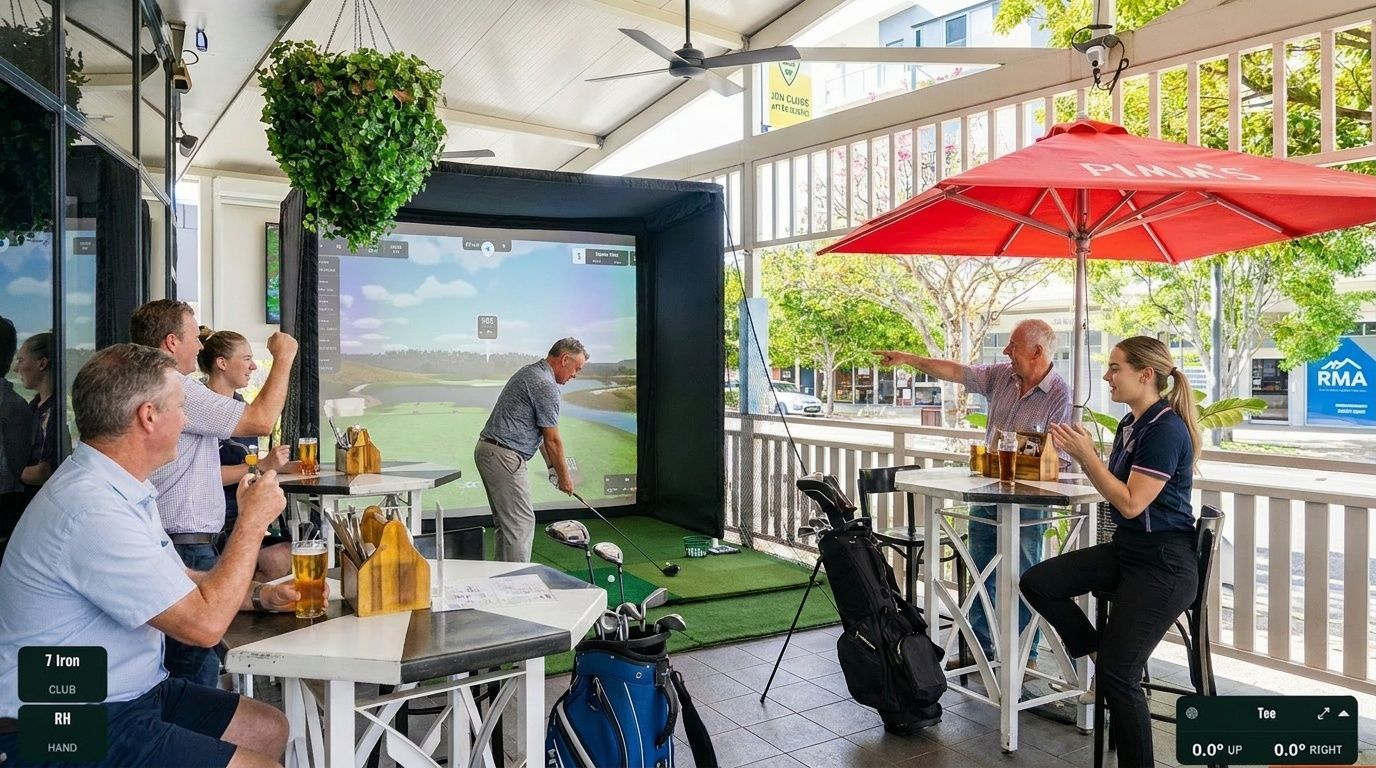
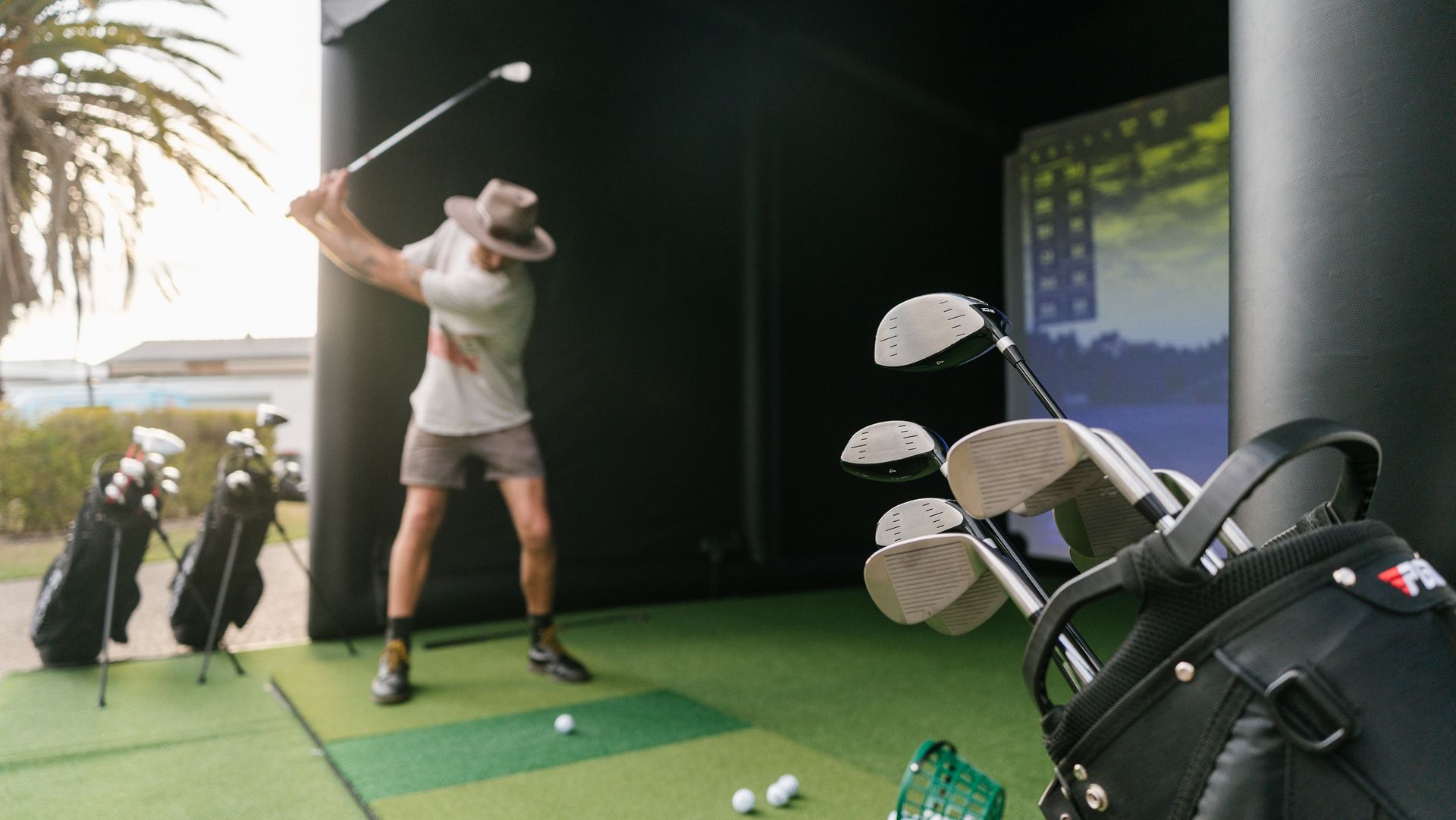
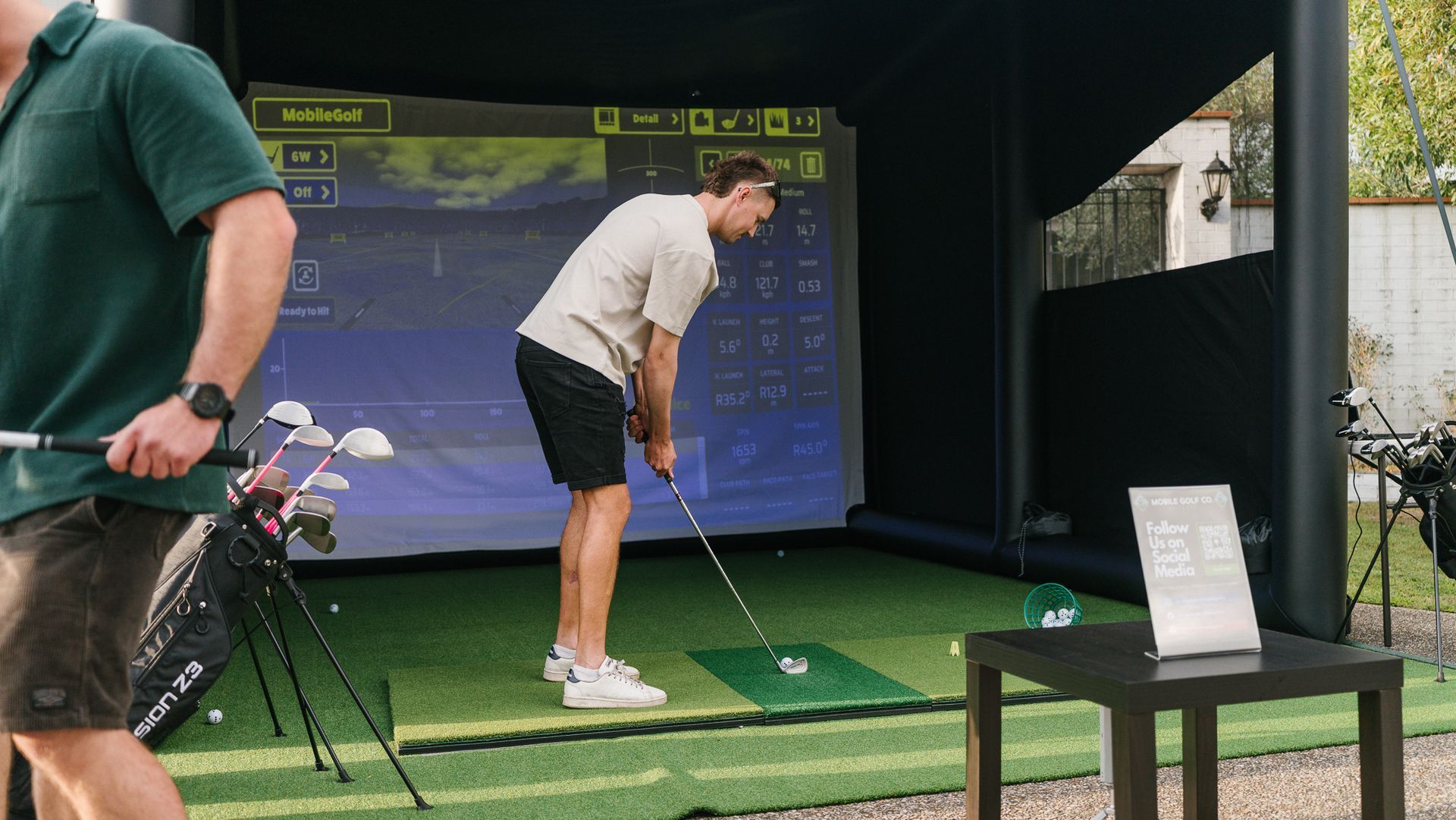
Dwell time: How long does a guest spend engaged with the entertainment? A roving magician gets 2–5 minutes per person. A hosted golf simulator activation — with a competition running, a leaderboard building throughout the evening, and Awesome Golf's mini-games keeping the format fresh — generates 8–20 minutes per guest, with many guests returning multiple times.
Repeat participation: Roving entertainment has no natural mechanism for repeat participation. You watch the trick once. A competition with a leaderboard has a built-in reason to come back: your score is on the board, and you want to improve it.
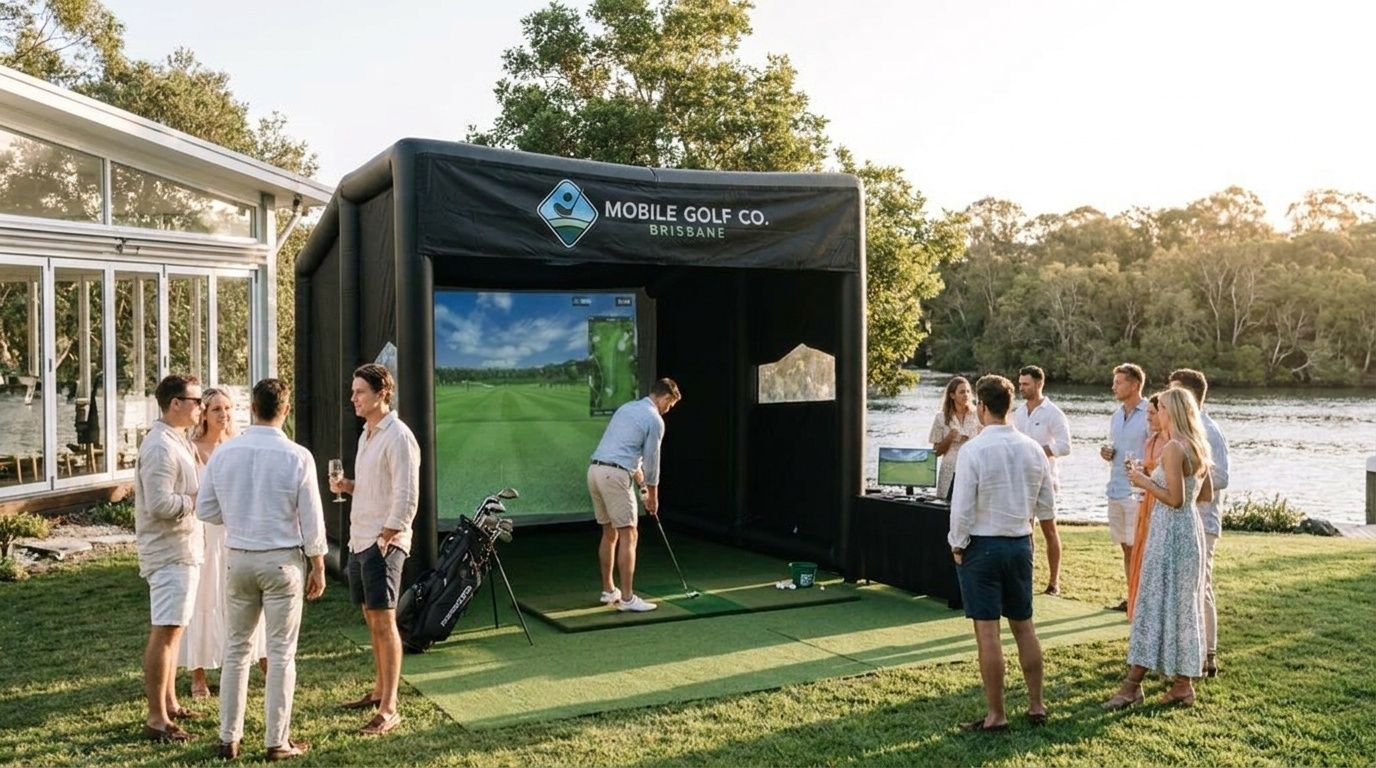
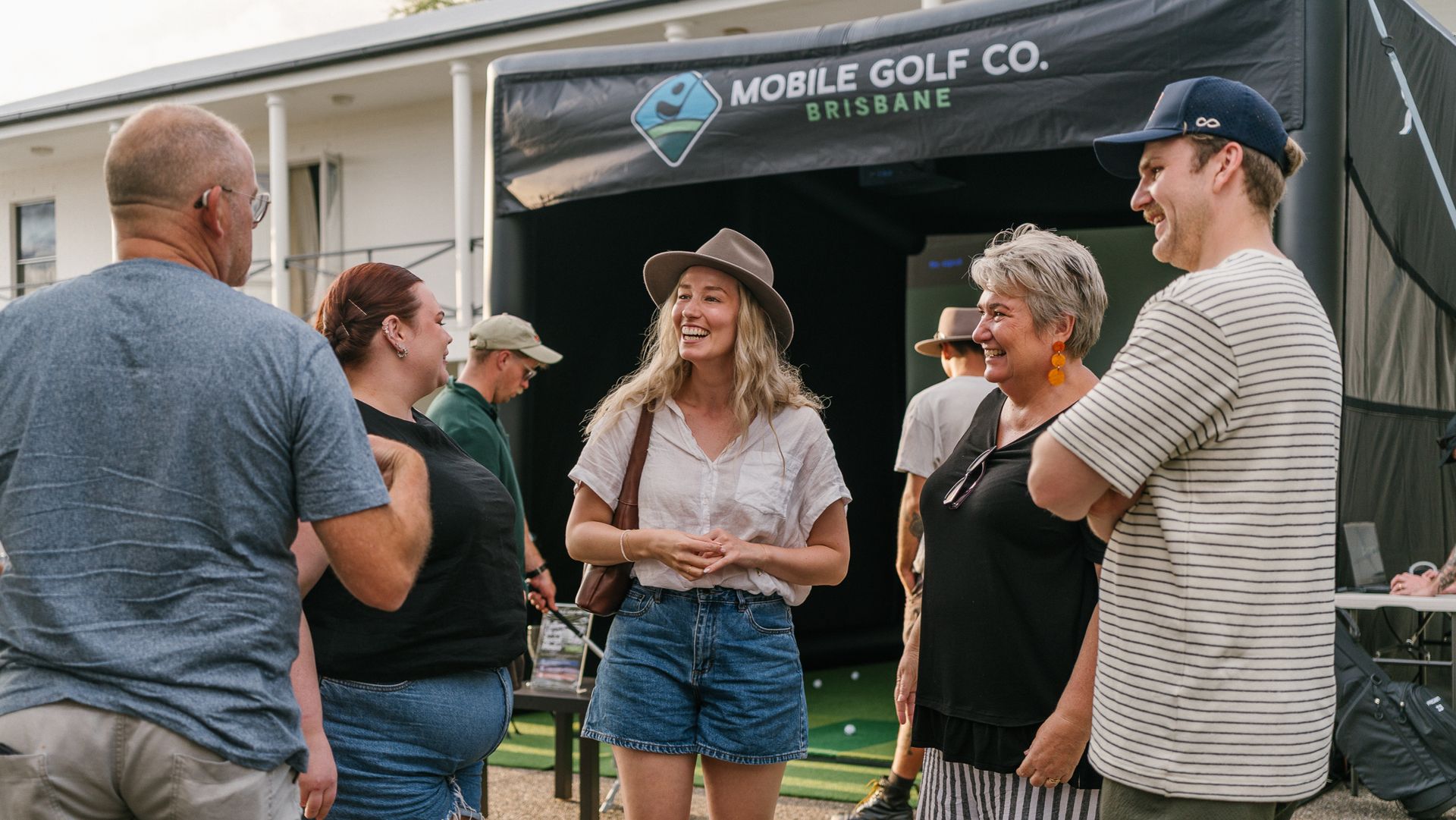
Group dynamics: A roving act creates a small, temporary audience of 4–6 people before it moves on. A simulator activation creates a consistent gathering point — guests cycle through, others watch, the crowd rotates but the energy stays concentrated. This is where the social moments happen at an event.
Brand memorability: Ask guests what they remember about an event they attended 3 months ago. They'll tell you what they did, not what they watched. Participation creates memory. Observation doesn't.
The specific problem with roving entertainment at corporate events
Corporate guests are different from event guests. They didn't choose to be entertained — they're at a work function, which means they're managing professional social dynamics while also trying to relax. Their tolerance for entertainment they have to engage with on the entertainer's terms is limited.
A magician approaching a table where three colleagues are in the middle of a conversation creates a social obligation — they have to stop, watch, respond appropriately, applaud. Then do it again when the next performer comes through.
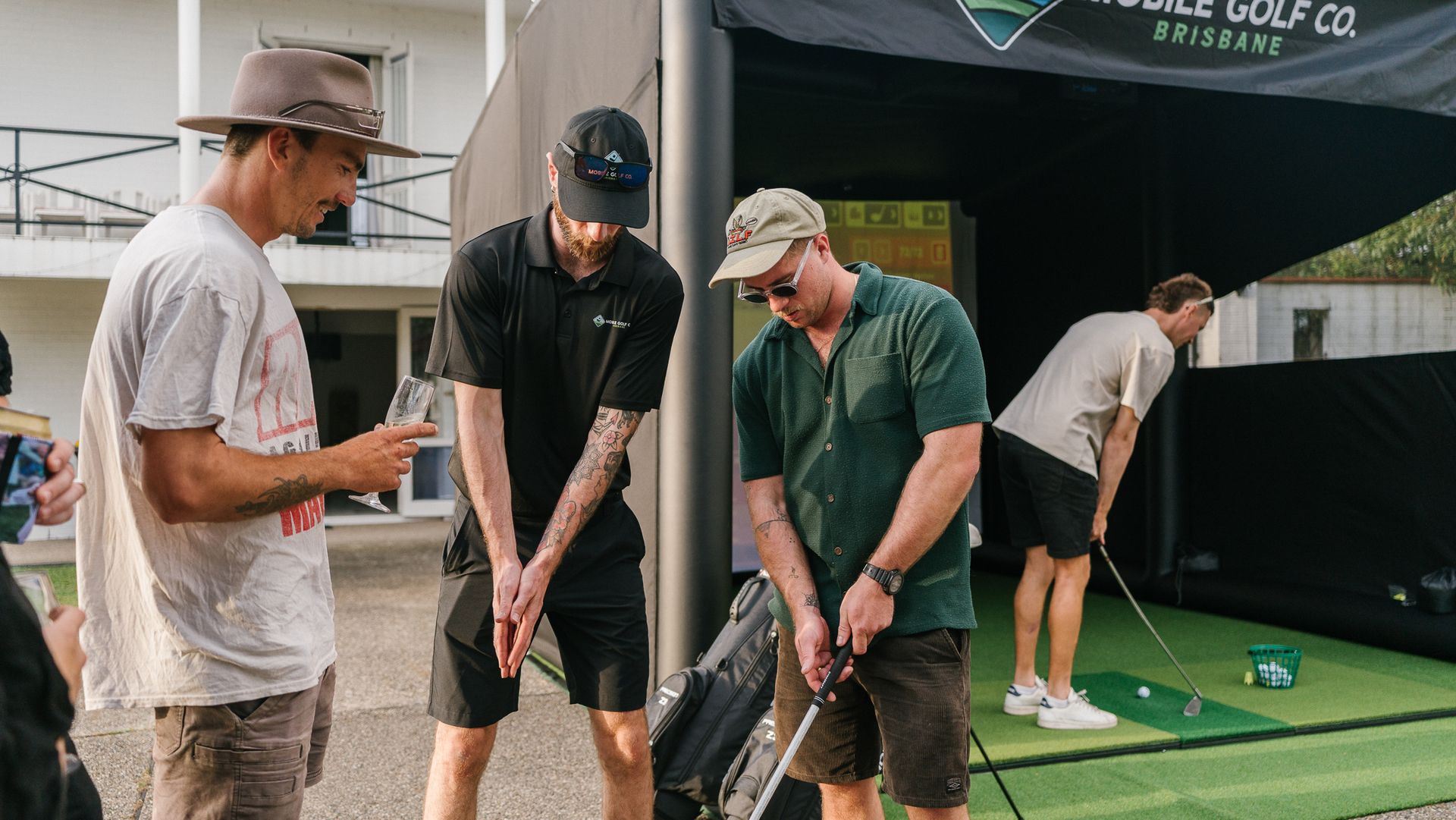
A golf simulator activation doesn't create that pressure. It exists. Guests go to it when they want to, take their shot, compete if they want to, and walk away. The host facilitates rather than demands. This means the activation creates less social friction for guests who aren't in the mood, and more genuine engagement for those who are.
Why a hosted setup outperforms a drop-off hire
There's a version of golf simulator entertainment that doesn't work well at corporate events: a piece of equipment in a corner with a sign that says "have a go."
Without a host, the dynamic is completely different. Someone has to figure out how to use the software. Someone has to manage the queue. The competitive element disappears because nobody's tracking scores. The first few guests interact with it tentatively, can't figure out how to get it going properly, and the rest of the room writes it off before they've tried.
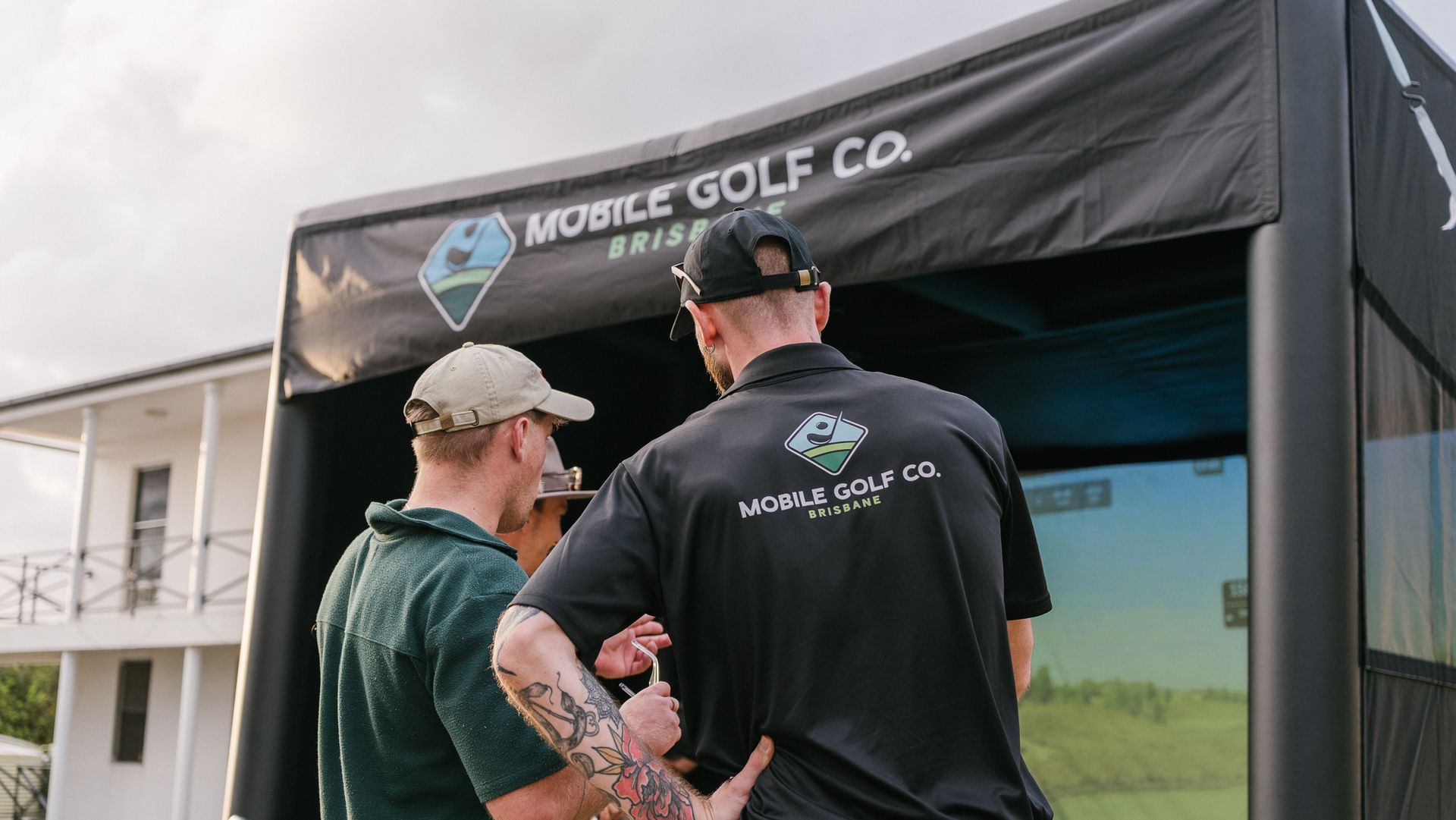
A professional host changes the entire equation. They own the activation. They welcome each guest, run the format, manage the competition, handle technical questions, and maintain the energy throughout the event. The setup runs itself — the host's job is to make it feel effortless.
This is the distinction between corporate event entertainment that works and entertainment that looked good on paper.
How the formats compare directly
| Factor | Roving entertainment | Hosted golf simulator |
|---|---|---|
| Dwell time per guest | 2–5 minutes | 8–20 minutes |
| Repeat participation | No | Yes (competition drives return) |
| Guest choice to engage | Low (performer initiates) | High (guest-led) |
| Group social dynamic | Temporary, small audiences | Consistent gathering point |
| Competition mechanic | None | Built-in leaderboard |
| Memorable experience | Low (passive) | High (active participation) |
| Scales with guest count | Limited | Yes (throughput managed) |
| Inclusive of non-specialists | Varies | Yes (Awesome Golf) |
What this means for the event planner
You are the person who recommended the entertainment. The outcome of the event reflects on you.
Entertainment that guests participate in, talk about, and come back to is the version that makes you look good. A leaderboard result someone's still telling their partner about on the drive home is the outcome the event is supposed to produce.
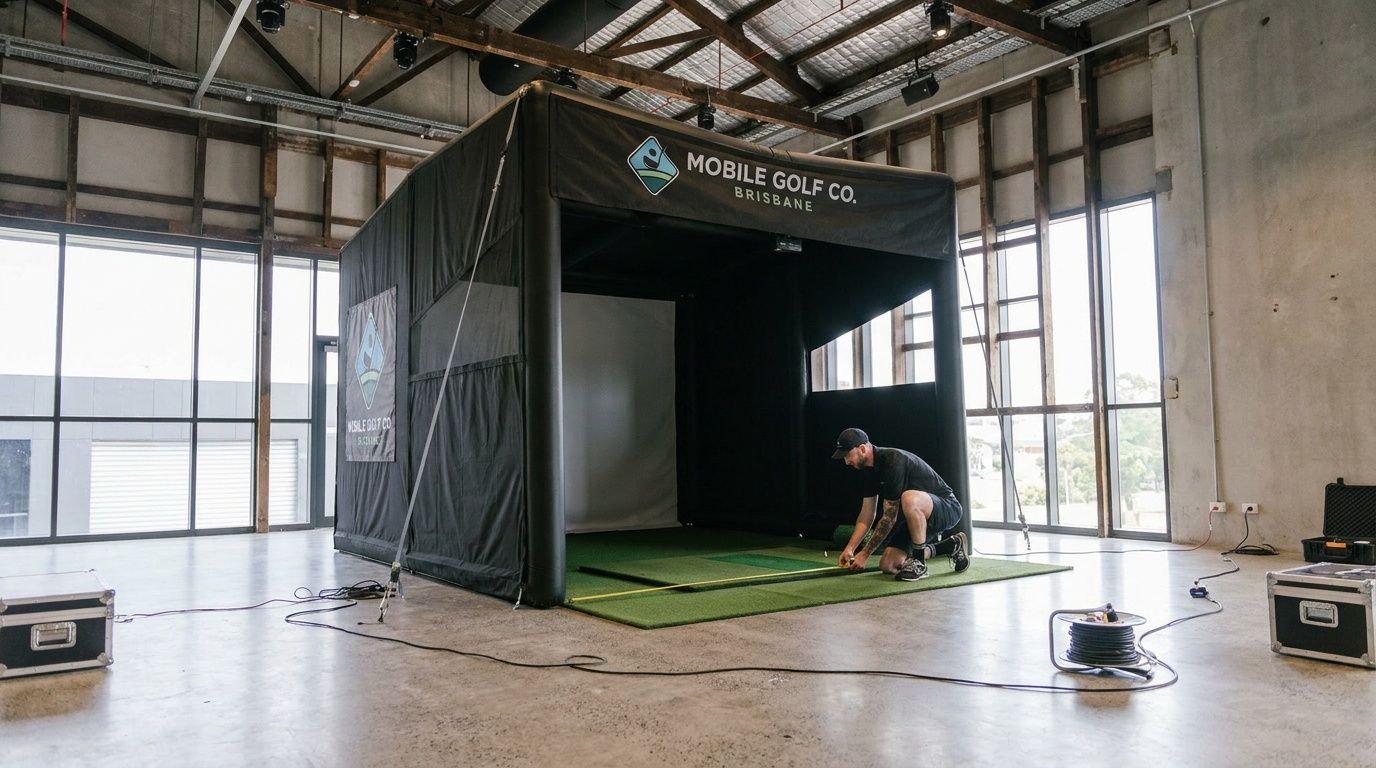
The logistics argument also matters. A hosted activation arrives, sets up, runs, and packs down without requiring event-day management from the planner. The host is the problem-solver on the floor. If something goes wrong, it's our problem — not yours.
For the planning side of booking an activation, see our event manager checklist- it covers space requirements, run sheet integration, and what to brief the venue on. For the direct comparison with other entertainment formats, our EOFY event ideas Brisbane guide covers several options side by side.
If you're planning a Brisbane corporate event and want to know how a hosted activation fits your specific run sheet, request a quote here — or read the original corporate entertainment idea post for additional context.
Related: Corporate event packages · What is a golf simulator activation? · Team building Brisbane
Here's Some Other Posts You Might Like